
Breast Asymmetry Correction
REQUEST A FREE NO OBLIGATION CONSULTATIONBreast Asymmetry Correction
All women have uneven breasts to some extent, but usually the differences are minor and don’t cause much concern. When the differences between right and left breasts becomes noticeable it’s known as breast asymmetry, and it can really undermine your self-image and self-confidence.
There are several options for improving breast symmetry using one or a combination of techniques, including breast uplift, breast enlargement (implants), breast reduction and fat transfer treatments, or through adjustments to the nipple. I have a special interest in correcting breast asymmetry and can advise you what procedure will suit you best based upon your wishes and expectations.
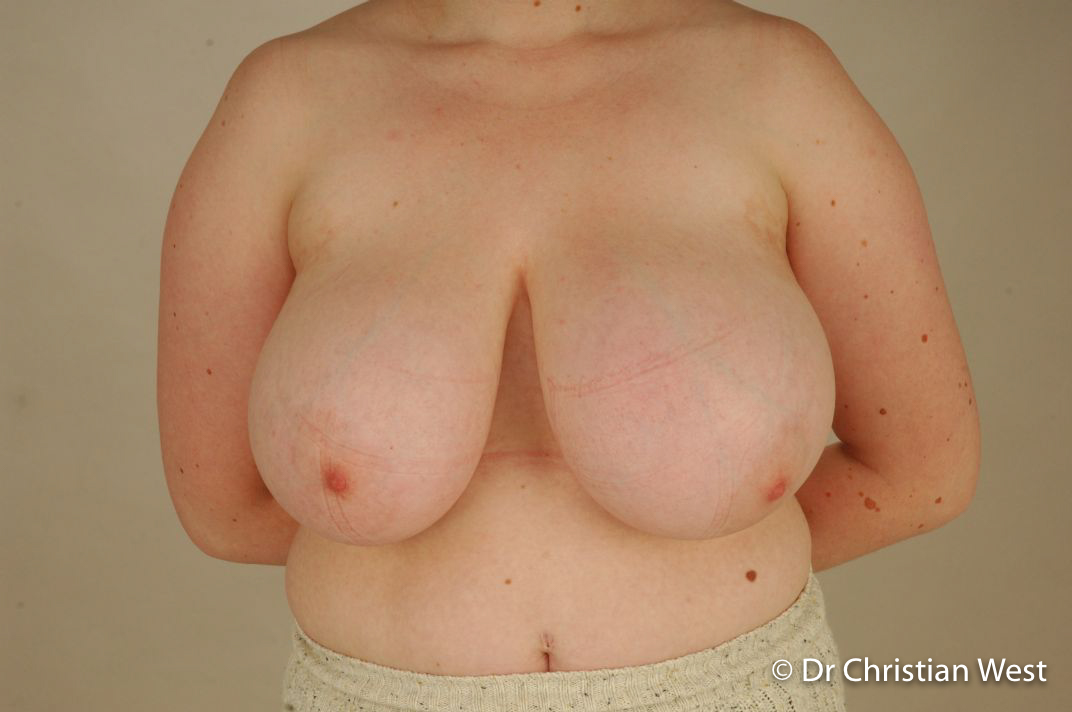
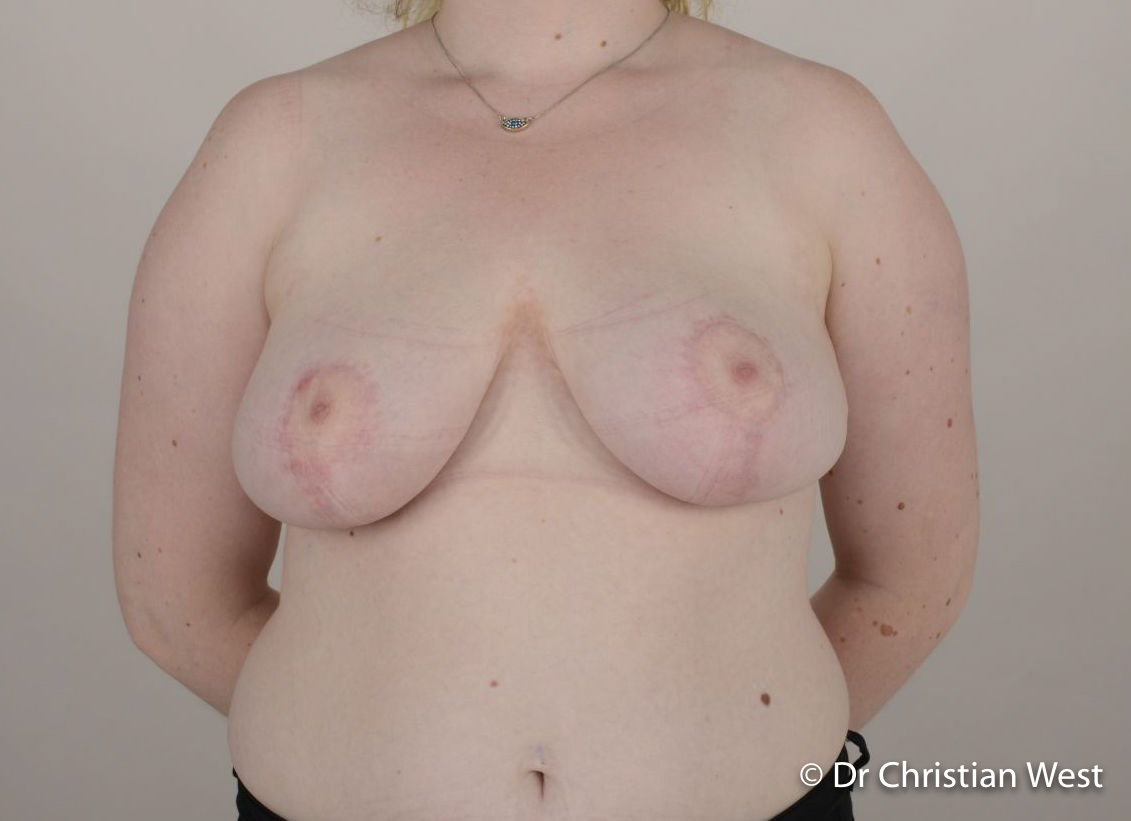
Women choose to improve breast symmetry for very personal reasons, which may include:
- One breast never developed
- One breast didn’t keep up with the growth of the other side during teenage years
- Unusually narrow and underdeveloped breasts, with a nipple that appear large and bulbous (tubular breast)
- Restrictions in the types of clothes you can wear.
- Difficulty getting clothes or a bra to fit well
- Dislike of wearing fillers (“chicken fillets”) in your bra.
- Avoidance wearing swimwear at the pool or on holidays
- Embarrassment undressing in front of their partner, which can affect intimacy.
Correction of asymmetry can have a dramatic improvement on quality of life. The potential benefits of surgery include:
- Fuller, uplifted, better-matching breasts
- A normal, more even-looking cleavage
- Easier to find clothes and that fit both breasts.
- The ability to wear a wider range of clothes such as low cut dresses.
- Improved body confidence and self-esteem.
You might consider:
- Do you prefer the volume of the larger or smaller breast?
- Do you think your nipples are in a low position?
- Are your nipples and the brown area around them (the areola) normal?
- Are your breasts a normal shape?
You should also consider whether you would prefer:
- A breast reduction of your larger breast
- A breast enlargement of your smaller breast
- A breast uplift and nipple repositioning on one or both of your breasts if your nipple is in a low position
- Surgery to reduce the size of one or both of your areolas (the brown area around your nipple)
- Surgery to reduce the prominence of your areolas if they are domed and raised
Typically a combination of the above procedures is needed to make the breasts even, and whilst a procedure is sometimes performed on just one breast, it is more usual to have operations on both breasts to get them to match and look natural.
- Correction of breast asymmetry is performed under general anaesthetic (asleep) and takes 2-3 hours depending upon the exact procedure.
- One or two nights in hospital.
- All stitches used are absorbable, so no stitches need removing.
- Any discomfort should be easily controlled with over-the-counter painkillers such as paracetamol.
- I’ll see you in clinic just over one week after the operation to make sure everything is going well.
- You should wear a soft supportive sports bra (no underwired bras) 24/7 for 6 weeks after the operation.
- Recovery depends on the type of surgery you have undergone. You will be up and about within a day, but your breasts may ache occasionally for a couple of weeks. Return to light work and social activities after 2 weeks, longer if your work is very active or physical. Avoid lifting or pushing anything heavy for three or four weeks. Typically it’s 6 weeks before you’re stamina returns and you can return to full exercise.
Nothing in nature is absolutely symmetrical, so we aim for improvement rather than perfect symmetry. Minor differences in volume and shape of the breast, or in nipple position should not be obvious, and on occasions a second procedure is required to fine-tune or adjust what has been done.
You can expect your results to improve symmetry over the long term. However, breasts do change in size, shape and droop with ageing, any weight change and pregnancies. Breasts that started off being a different size or shape can age at different rates, particularly where implants have been used. Therefore some unevenness between the breasts can develop with time, and as with all breast implant surgery, revision procedures may be required at some stage in the future.
Remember that some breast reduction and breast uplift techniques can affect whether you’ll be able to successfully breastfeed any future babies, so you should consider whether to delay this type of corrective surgery until your family is complete.